What Are Penetrating Silicone Sealers? A Guide to Long Lasting Protection
Many types of concrete sealers are available, each offering different benefits. The two most common options are film‑forming sealers and penetrating sealers. Both protect concrete, but they work in different ways. Understanding this difference helps you choose the best concrete sealer for your project and achieve long‑lasting results.
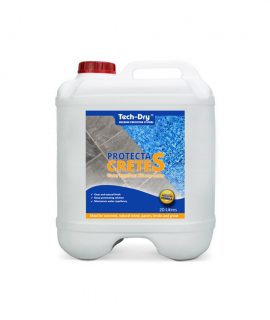
Protectacrete
Solvent Based & Water Based, general purpose water repellent sealers
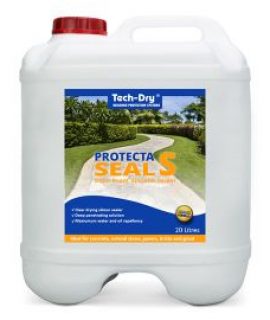
Protectaseal
Solvent Based & Water Based, general purpose stain resistant sealers
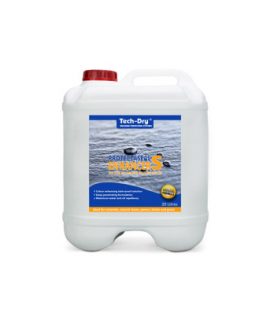
Protectaseal Enhancer
Solvent Based & Water Based, stain resistant & colour enhancing sealers
Tile and Grout Sealer
High quality water repellent sealer for tiles and grout
Limestone Emulsion
Unique water repellent sealer for porous limestone surfaces
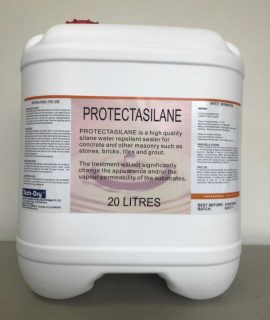
Protectasilane
Deep penetrating water repellent sealer for concrete.
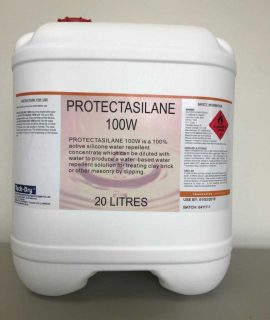
Protectasilane 100
Traditional 100% silane treatment for concrete infrastructure.
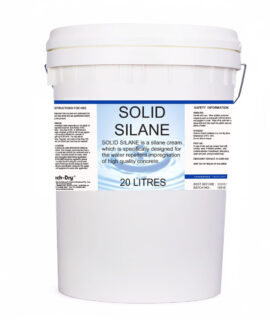
Solid Silane Coating
Innovative silane cream water repellent treatment for concrete infrastructure.
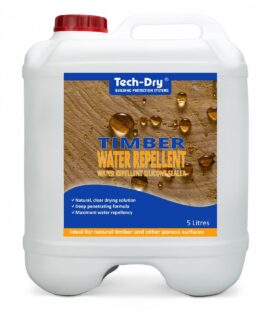
Timber Water Repellent
General purpose water repellent sealer for timber substrates
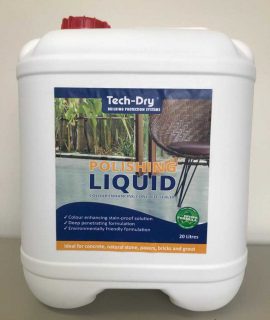
Polishing Liquid (Export Only)
Polishing Liquid is a penetrating silicone sealer that combines excellent water and stain repellency with.
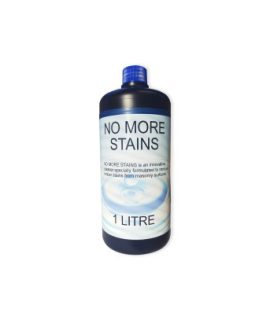
No More Stains
Timber stain remover for masonry surfaces.
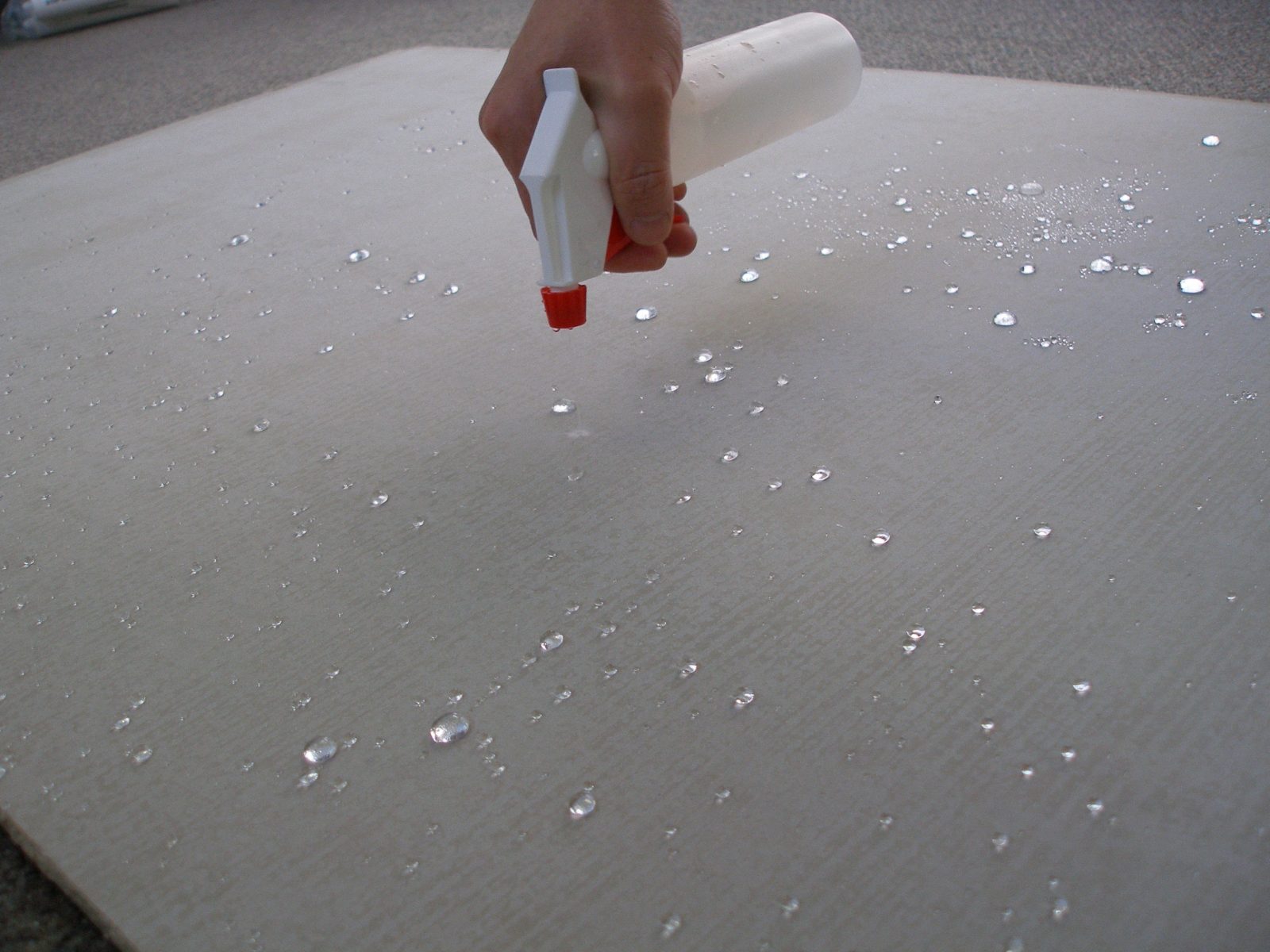
Penetrating silicone sealers are one of the most effective ways to protect masonry surfaces from moisture, staining, and long‑term deterioration. As the name suggests, these sealers work by soaking into the pores of the material rather than sitting on top of it. Once absorbed, they form a durable chemical barrier beneath the surface that helps prevent damp penetration while still allowing the substrate to breathe.
Because penetrating sealers do not create a surface film, they typically maintain the natural look of the material. Most provide a clear, matte finish that preserves colour and texture—making them ideal for decorative outdoor areas exposed to harsh weather. Modern formulations are also highly versatile, offering reliable protection for outdoor entertaining areas, pool surrounds, and even indoor concrete surfaces.
How Penetrating Sealers Work
Unlike film‑forming sealers, penetrating silicone sealers are not coatings. Instead of creating a visible layer, they chemically react within the pores of the substrate to create a hydrophobic (water‑repellent) barrier. This internal reaction helps block water, oils, and contaminants such as coffee, wine, grease, and food colouring.
One of the biggest advantages of silicone‑based penetrating sealers is that they do not make surfaces slippery. Because they sit below the surface, they maintain natural traction, even when wet. This makes them a preferred choice for high‑traffic areas where safety is essential.
To learn more about Tech‑Dry’s full range of penetrating silicone sealers, visit the product page: https://www.techdry.com.au/products/penetrating-sealers/
What About Film‑Forming Sealers?
Film‑forming sealers work differently. These products create a physical protective layer on top of the surface, blocking moisture and adding strength. They are commonly used on decorative concrete to prevent staining and contamination.
There are three main types:
Acrylic Sealers
Cost‑effective and easy to apply, suitable for indoor and outdoor use. They do require more frequent re‑application.
Epoxy Sealers
Available in a range of sheens and often pigmented, epoxy sealers highlight decorative features but are more challenging to apply.
Polyurethane Sealers
Thicker and more durable, offering strong resistance to chemicals and abrasion. They are commonly used in wet areas such as bathrooms, laundries, and basements.
Still unsure which sealer is right for your project? The Tech‑Dry team is here to help. Call us on 03 9699 8202 and speak with a specialist who can guide you toward the best solution for your surface.