
RISING DAMP: An Overview
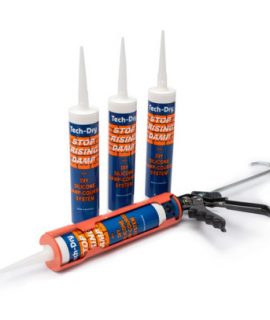
Damp Course Cream
Innovative water-based silicone cream for fixing rising damp.
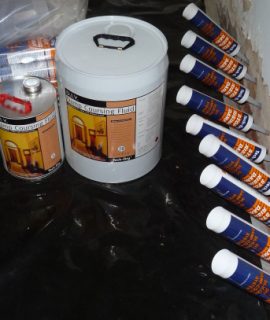
Damp Course Fluid
Traditional solvent-based silicone solution for fixing rising damp.
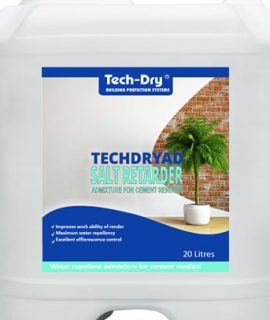
Salt Retarder
Water and salt resistant admixture for cement renders and mortars after damp-course treatment.
Rising damp, also known as salt damp, is a common moisture problem affecting older brick and masonry buildings. It occurs when salty ground moisture travels upward through porous masonry by capillary action. Without an effective damp‑course in place, this moisture continues to rise through the wall, leading to visible damage, structural deterioration, and long‑term maintenance issues.
What Causes Rising Damp?
Rising damp develops when moisture from the ground is able to move freely into a wall. This typically happens when:
- No damp‑course was installed in the original construction
- The existing damp‑course has deteriorated over time
- The damp‑course has been bridged by soil, concrete, paving, or other masonry
Any of these conditions allow moisture to bypass the protective barrier and travel into the structure.
Where Does Rising Damp Occur?
Rising damp is always found at the base of brick or masonry walls, fireplaces, and structural footings. Because the moisture rises from the ground, it concentrates the damage in the lower sections of the wall.
How to Recognise Rising Damp
Internal Signs
- Peeling or bubbling paint
- Cracked or bubbling plaster
- A visible water tide mark
- Efflorescence (white, powdery salts)
- Discoloured paintwork
- Rotting timber skirting boards
External Signs
- Efflorescence
- Water tide marks
- Fretting or crumbling brickwork
- Deteriorating mortar joints
These symptoms worsen over time as salts accumulate and moisture continues to rise.
How Is Rising Damp Treated?
The only effective long‑term solution is to install a new damp‑course at floor or ground level. This creates a permanent barrier that stops moisture from travelling upward through the wall.
After Treatment: Drying and Replastering
- Internal rendered walls: Allow a minimum of 3 months drying before re‑rendering or re‑plastering.
- External bare brick walls: Allow 12 months drying, followed by salt removal, before repainting or surface finishing.
To learn more about how Tech-Dry solutions can protect your property, visit our product page.