
Built by Hand, Protected for Decades: Peter Lees’ Mud Brick Homes
A first build in mud brick
Peter Lees has spent decades as a builder and architect, mainly serving owner builders. Through his book Elevated Efficiency, he has provided plans and services to thousands of owner builder customers in Australia and overseas.
Peter’s first earth build was a cottage for his mother in Porcupine Ridge, Victoria. He had no experience with mud brick at the time. Earth looked like a cost-effective way to build, particularly for owner builders on a tight budget. He designed a compact, loft-style cottage that used mud brick for both the ground-floor walls and the upper gable ends.
He made every brick himself. Peter used a heavy yellow ochre clay soil with a natural mix of crushed shale and quartz, added a generous handful of straw for every brick, and mixed it all by shovel. The bricks were large, 300 mm square by 200 mm high, with tapered faces. He laid every second brick upside down, which gave the walls a textured, in-and-out profile.
Inspired by the tiny cottages of England’s Cotswolds, Peter gave the cottage concrete-capped parapet walls and deliberately left out verandahs and eaves. Looking back, he believes he created what “was likely to be the most weather vulnerable mud brick home in Australia.” For more than 30 years the walls faced the full force of the weather, from hot summers to cold, wet winters, with no overhang to protect them.
Why didn’t the first sealer work?
Like many local earth builders at the time, Peter coated the walls with a diluted PVA product. At first it looked like the answer: it darkened the walls to a satin sheen, appeared waterproof and stopped the bricks dusting.
It failed over time. Sunlight broke the film down. More importantly, the coating stopped the walls breathing. On hot days, pressure built up behind the film until it flaked off. Rain got in behind it and couldn’t escape, so the walls eroded faster than if they had been left untreated.
Peter scraped off the loose surface, applied a bagging slurry of sieved clay to even out the finish, and treated the walls with a water repellent. Apart from slight fretting on the most exposed faces, the walls held up for more than three decades.
“What I’ve learnt from this exercise is not to put paint type ‘sealants’ that stop walls from breathing over exterior wall surfaces. My initial ignorance decades ago cost me time and money in later repairs,” he wrote in The Owner Builder in 2016.
After the PVA treatment failed
When Peter and Irene prepared to sell the property, decades of airborne grime had become embedded in the old bagging coat. Peter chose to restore the walls rather than paint over them.
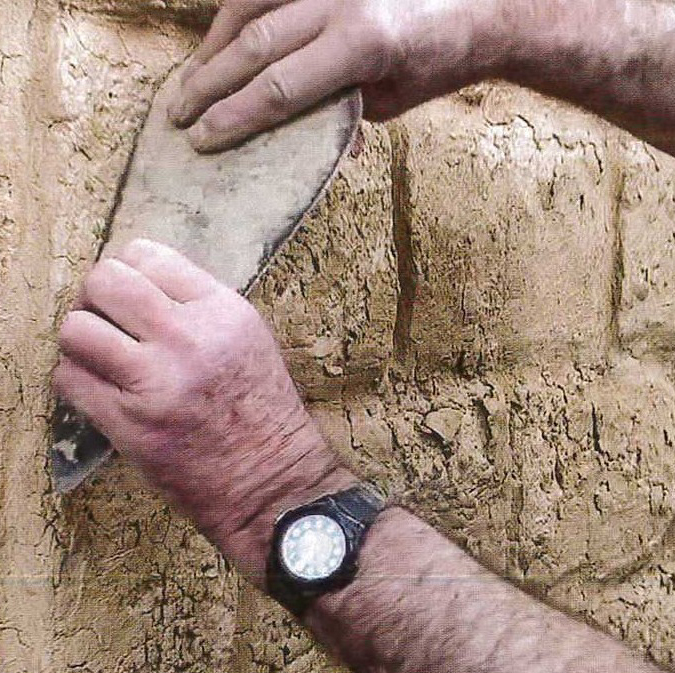
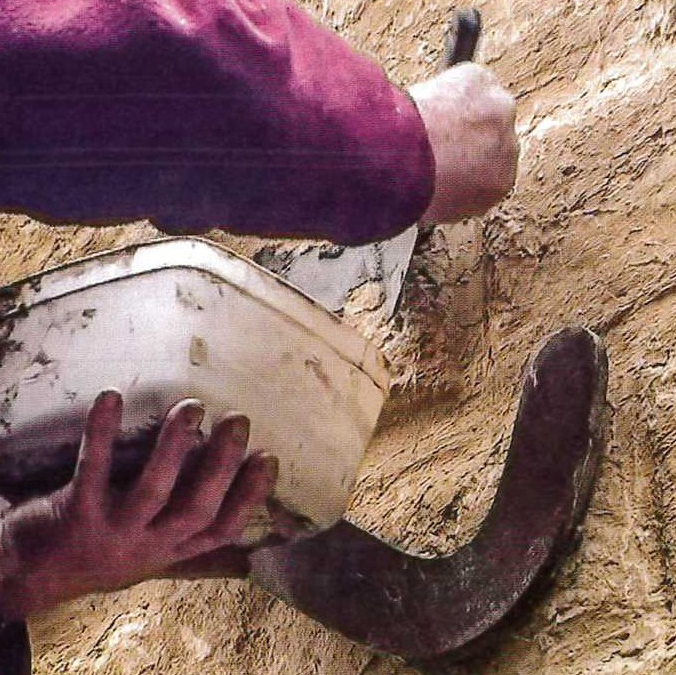
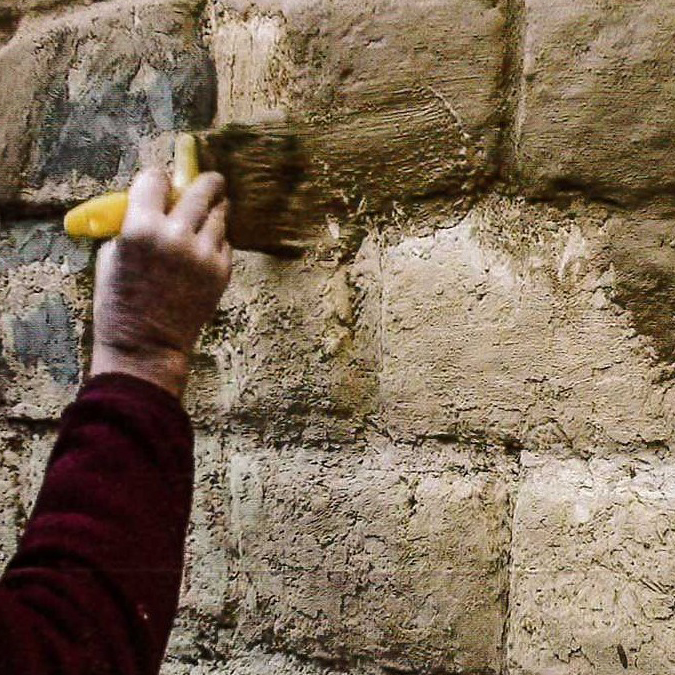
He started in winter so that summer heat wouldn’t dry the new clay coat too quickly. He scraped back loose material and filled larger holes, then brushed a fresh slurry of finely sieved clay over every wall. The slurry used the same clay as the original bricks.
Once it had dried, he sprayed on two coats of Tech-Dry Mud Brick Water Repellent. He chose Tech-Dry for its long experience with earth wall protection and its good local reputation.
This time, nothing sat on the surface to trap moisture. The water repellent soaked into the clay, so rain beads and runs off, while moisture inside the wall can still escape. The walls, Peter reported, came up “as new as the day they were first built,” and “have since stood up to variable weather without fail.”
How has Tech-Dry Mud Brick Water Repellent performed?
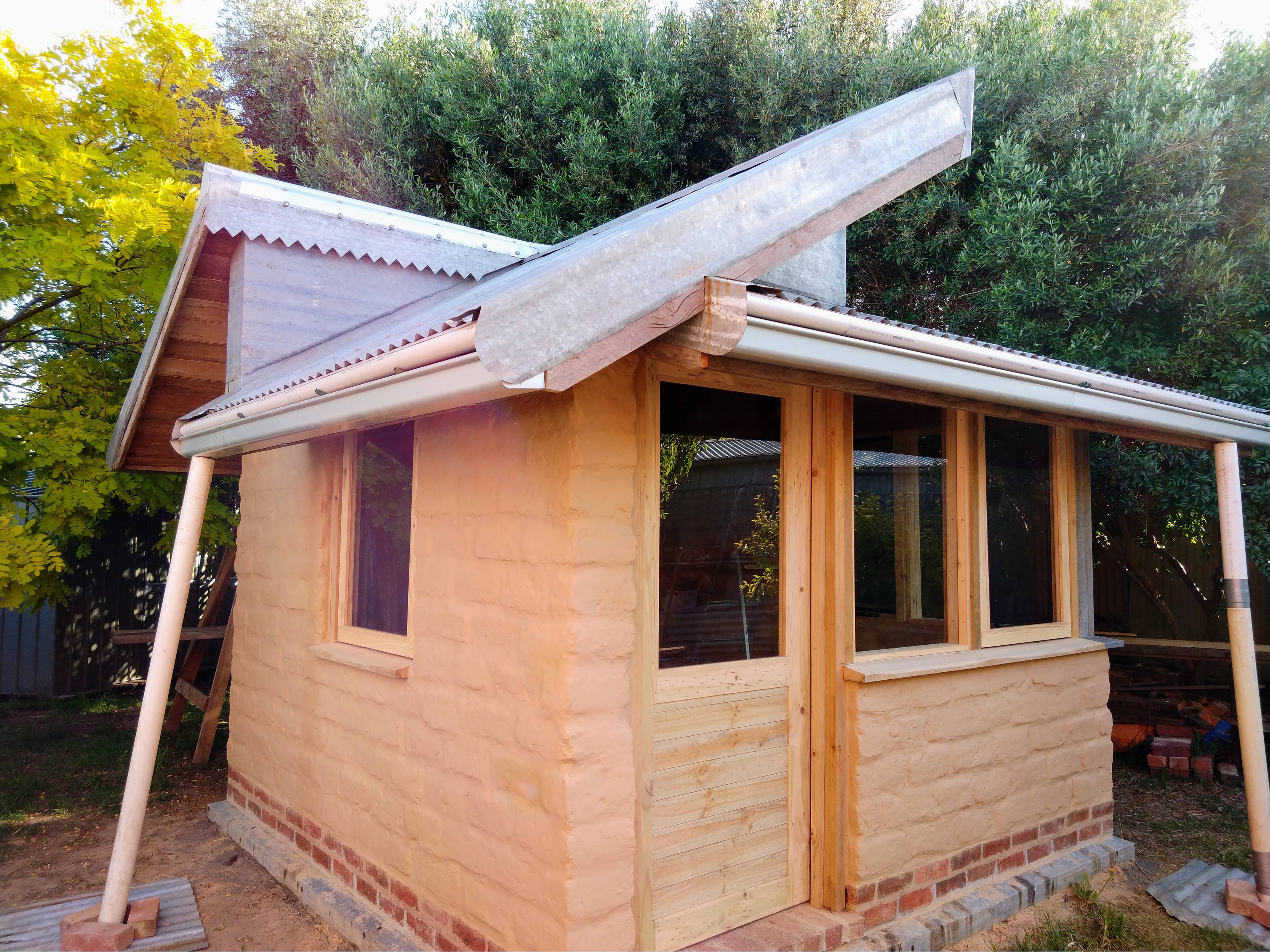
Peter was confident enough in the result to use the same product again. When he later built a mud brick studio at Porcupine Ridge (2022), using leftover bricks he brought from Daylesford, he treated it with Tech-Dry Mud Brick Water Repellent too.
“The present condition of the walls on the studio is still excellent, with no sign of weathering at all,” Peter says.
Lessons for mud brick owners
- Let walls breathe. Avoid paint-type sealers on external earth walls. Solid walls should be able to breathe through at least one face, normally the outside.
- Use a penetrating water repellent outside. Sealers can still be useful inside to stop walls dusting.
- Design for exposure. Where walls face the weather without verandah protection, Peter recommends regular-faced bricks with mortar joints finished flush. Raked joints show off the brick profile, but the extra texture attracts weathering.
Protect your mud brick with Tech-Dry
Tech-Dry Mud Brick Water Repellent is a solvent-based water repellent sealer for mud brick. Whether you are building with mud brick, restoring an older earth home or protecting a new studio, talk to the Tech-Dry team about the right treatment for your walls, or explore the earth building protection range.
Photos and Source: Peter Lees, “Revamping earthen walls… after three decades of high weather exposure”, The Owner Builder, issue 197, October/November 2016. Quoted with permission.