
Waterproofing Myths Busted: What Actually Works
Water damage ranks among the most common and expensive building problems. Even though materials science has advanced, misconceptions about waterproofing persist, and many well‑meaning fixes still fail to deliver reliable, long‑term protection.
Myth 1: “Paint‑on waterproofing is enough”
Paint‑on and roll‑on products often appear to offer simple, all‑in‑one solutions. You apply a few coats, wait for them to dry, and assume the job is done. However, these systems usually act as thin surface films. They become vulnerable when the substrate moves, when moisture sits behind the coating, or when application conditions fall short.
Surface coatings can crack, blister, or peel as materials expand and contract or as trapped moisture pushes outward. Once the film breaks, water can slip behind it and spread, sometimes causing hidden damage. Film‑forming membranes and elastomeric coatings still matter, especially on roofs, balconies, and wet areas, but they need proper design, detailing, and maintenance. They cannot serve as a universal quick fix.
What works instead: Use penetrating waterproofing systems and add well‑detailed membranes where required. Penetrating treatments work inside the capillary structure of concrete and masonry rather than forming a fragile surface layer. As a result, they keep performing as the substrate moves. When membranes are necessary, they work best as part of a system that also manages drainage, movement joints, and means of drying.
Myth 2: “Water repellant sealers change the look of surfaces”
Many people avoid sealers because they fear glossy finishes, darkening, or an artificial appearance—especially on heritage facades and natural stone. Older film‑forming products often justified these concerns because they could noticeably alter colour and sheen. Today, however, technology has changed this picture.
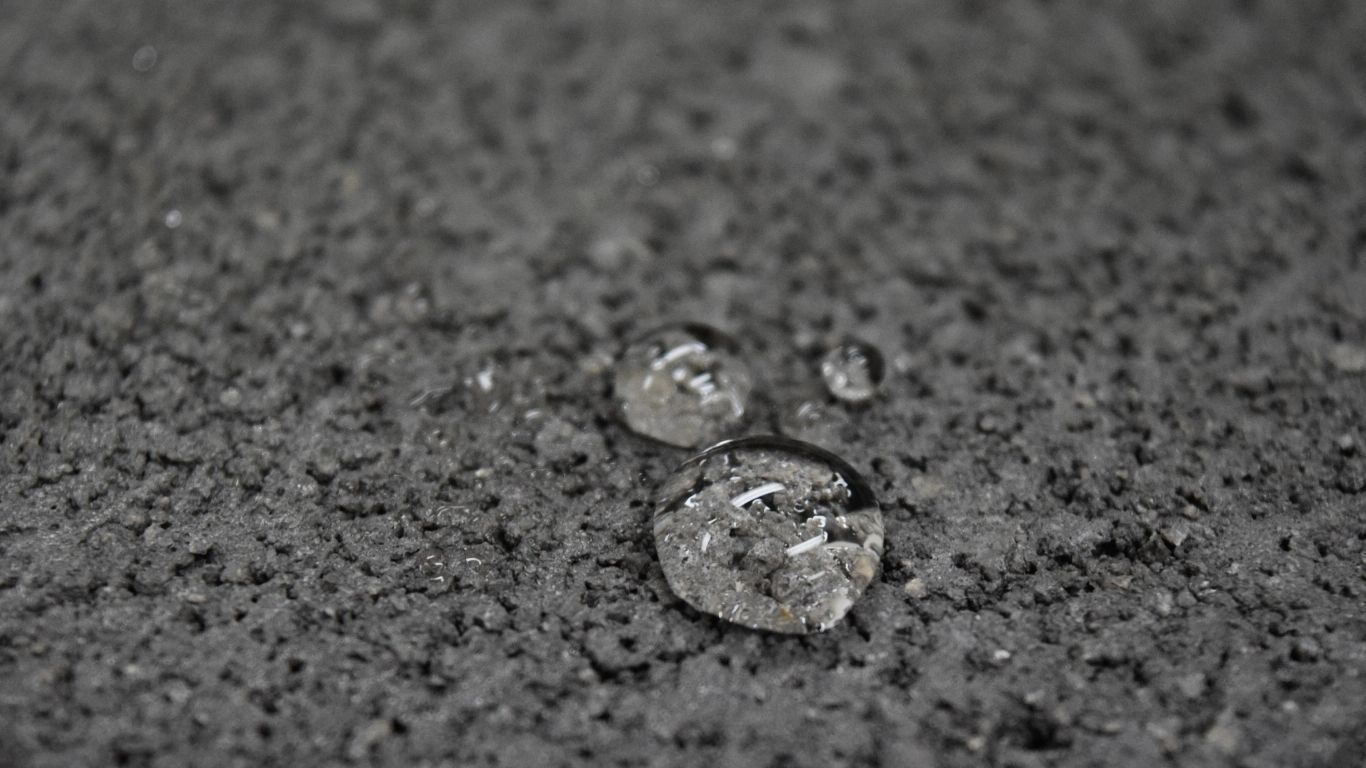
What works instead: Modern penetrating sealers—especially silicone‑based (silane/siloxane) water repellents—aim to minimise or eliminate visible changes. They soak into the material and bond within the capillary structure, creating a hydrophobic network that repels liquid water without forming a surface film. On most masonry and concrete surfaces, they preserve original colour, texture, and vapour permeability. Protection becomes effectively invisible in normal viewing conditions, though test patches remain wise for sensitive or polished materials.
Myth 3: “If water can’t get in, the building is protected”
Stopping liquid water is only part of moisture management. Buildings also generate internal moisture from construction, occupancy, and ground sources, and that moisture must escape safely. Non‑breathable coatings or membranes applied over damp or absorbent substrates can trap moisture inside walls and slabs. This trapped moisture can lead to efflorescence, mould, blistering, and long‑term material deterioration.
What works instead: Choose breathable solutions that reduce liquid water absorption but allow vapour to escape. Silicone‑based penetrating treatments excel here. They sharply reduce capillary absorption from rain and splashing while still allowing vapour diffusion, so internal moisture can dry out. Vapour‑tight membranes still have essential roles—on roofs, in wet areas, and below grade—but they perform best when paired with good drainage, ventilation, and detailing to prevent moisture entrapment.
Myth 4: “All waterproofing products work the same way”
Waterproofing technologies differ widely. Each product type works through a distinct mechanism, and treating them as interchangeable can lead to poor choices. Traditional practice often relies on surface barriers, paints, bituminous layers, and sheet membranes. These can fail under UV exposure, movement, or local damage if not selected and maintained carefully.
What works instead: Use advanced silicone‑based repellents and integral waterproofing admixtures within a system‑based approach. Silane/siloxane repellents penetrate concrete, masonry, and mortar, creating breathable, water‑repellent surfaces. Integral waterproofing admixtures, added during batching, modify the concrete matrix to reduce permeability throughout the structure’s life. Their performance still depends on mix design, curing, and exposure conditions.
The bottom line
Effective waterproofing is not about thicker coatings or relying on a single barrier. It requires working with the building material, understanding moisture movement, and choosing technologies that support both protection and drying. Penetrating, breathable, silicone‑based systems and well‑designed admixtures can deliver long‑lasting, low‑maintenance protection—especially when paired with appropriate membranes, drainage, and detailing where they are most needed.
To learn more about how Tech-Dry solutions can protect your property, visit our product page.