Waterproofing for Energy Efficiency: How Moisture Control Improves Insulation Performance
 Insulation is designed to trap heat inside during winter and keep it out during summer. But when insulation becomes damp, its effectiveness drops dramatically. Wet fibres collapse, air pockets disappear, and thermal resistance is reduced. According to the Australian Modern Building Alliance, many homes with cavity insulation are affected by condensation issues, undermining energy efficiency.
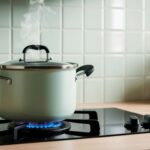
Moisture doesn’t just come from rain. Everyday activities like cooking, showering, and drying clothes indoors release water vapour. If this vapour condenses inside walls or ceilings, insulation becomes saturated. The result is higher heating and cooling bills, uncomfortable indoor climates, and increased risk of mould growth.
How Waterproofing Boosts Energy Efficiency
Waterproofing is more than a protective measure, it’s an energy strategy. By controlling moisture, waterproofing helps insulation perform at its best.
Keeps insulation dry: Sealants and breathable coatings and damp course treatments prevent rainwater and rising damp from reaching insulation layers.
Reduces condensation: Proper waterproofing combined with ventilation stops vapour from accumulating in wall cavities.
Lowers energy costs: With insulation working efficiently, households use less electricity and gas for heating and cooling.
The Hidden Costs of Damp Insulation
Moisture management is not just about comfort, it’s about protecting the long‑term value of a property. When insulation is compromised by moisture, the impacts go beyond energy bills:
Structural damage: Dampness can weaken timber frames, corrode steel, and degrade concrete.
Health risks: Mould thrives in damp insulation, releasing spores that trigger asthma and allergies.
Maintenance expenses: Replacing insulation or repairing water‑damaged materials is far more costly than proactive water repellent treatment and waterproofing.
Practical Waterproofing Measures
Homeowners can take several steps to integrate waterproofing into energy efficiency strategies:
- Seal external walls and foundations with breathable water repellent products that block liquid water but allow vapour to escape.
- Install proper drainage around the home to prevent groundwater from seeping into foundations.
- Maintain roofing and gutters to prevent leaks that saturate insulation.
- Ventilate kitchens, bathrooms, and laundries to reduce indoor humidity.
Together, these measures ensure insulation stays dry and effective year‑round.
Waterproofing often prevents leaks and damp patches; however, its role in energy efficiency is just as critical. By keeping insulation dry, waterproofing stabilises indoor temperatures, lowers heating and cooling costs, and reduces the risk of mould and structural damage.
For Australian property owners, moisture control is the missing link between comfort and sustainability. Investing in waterproofing means healthier, more efficient, and more resilient homes.