The Science of Breathable Sealers: Protecting Without Trapping Moisture
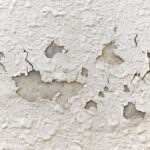 When it comes to waterproofing, most people think of coatings that block water completely. While this sounds ideal, the reality is more complex. Non‑breathable coatings can trap moisture inside walls and substrates, leading to blistering, peeling, and even structural damage. That’s where breathable sealers come in. These advanced treatments repel liquid water while allowing water vapour to escape, striking the perfect balance between protection and permeability.
What Makes a Sealer “Breathable”?
Breathable sealers are engineered to be vapour‑permeable. They stop rain and liquid water from penetrating surfaces, but they don’t lock in moisture that’s already present.
This is achieved through:
Silane and siloxane water repellent sealers: These compounds penetrate deeply into porous or permeable materials like brick, concrete, and stone, bonding to create a water‑repellent barrier.
Microscopic pathways: The sealer forms a protective layer that blocks larger water molecules but allows smaller vapour molecules to pass through.
Invisible finish: Unlike paints or films, breathable sealers usually leave no visible residue, preserving the natural look of masonry and stone.
Why Breathability Matters
Waterproofing and water repellent treatments are not just about keeping rain out—it’s about managing moisture holistically. Breathable sealers provide several key benefits:
Prevent trapped moisture: Non‑breathable coatings can lock dampness inside walls, causing blistering, peeling, or rot.
Reduce efflorescence: By allowing vapour to escape, breathable sealers help prevent salt deposits forming on surfaces.
Improve durability: They protect against freeze‑thaw cycles, chloride (salt) penetration, and long‑term deterioration of concrete and masonry.
Support heritage preservation: Older buildings rely on natural breathability. Breathable sealers safeguard historic stone and brick without altering appearance.
Applications Across Australia
Breathable sealers are particularly relevant in Australia, where climates vary dramatically and moisture risks take many forms. In regions with unpredictable humidity, they prevent condensation and damp from being trapped in walls and basements. In coastal environments, they shield facades from salt‑laden air and moisture ingress while still allowing vapour to escape.
In subtropical zones, where condensation is constant, they help manage moisture in both concrete and timber structures. In areas with sandy soils, they stop rising damp from penetrating foundations while allowing them to dry naturally. And in regions with seasonal extremes, they reduce cracking and salt damp in vulnerable building materials, offering vital protection for heritage properties. Together, these examples highlight how breathable sealers provide universal yet climate, specific protection across Australia.
Practical Benefits
Breathable sealers are versatile and cost‑effective:
Residential homes: Protect balconies, driveways, and bathrooms from water ingress while avoiding trapped damp.
Commercial buildings: Extend the life of facades and concrete structures exposed to weather.
Heritage sites: Safeguard porous and permeable stone and brick without altering their appearance.
Public spaces: Reduce maintenance costs by preventing graffiti paint and stains from bonding deeply.
Breathable sealers represent a scientific balance between protection and permeability. By repelling liquid water while allowing vapour to escape, they prevent hidden moisture damage, reduce efflorescence, and extend the life of building materials. To learn more about how Tech-Dry solutions can protect your property, visit our product page.