
Mould in Australian Homes: Causes, Risks, and Prevention
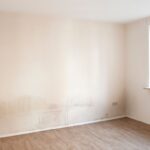 Mould is more than an unsightly stain, it’s a health hazard and a structural risk. It thrives in damp, poorly ventilated areas, and without proper prevention, it can damage homes and trigger serious health issues. Here’s a comprehensive look at mould, its causes, impacts, and practical steps to keep it under control.
What is Mould?
Mould is a type of fungus that lives on plant and animal matter, including building materials like timber, plasterboard, carpet, and even books. It reproduces by releasing spores into the air, which are commonly found both indoors and outdoors. When these spores land on damp surfaces, they begin to grow and spread.
Mould often appears as fuzz, stains, or discolouration. It can be black, green, white, grey, orange, or brown, depending on its type and life stage. Because it can hide behind walls, under floors, or in ceilings, mould is not always easy to detect.
Health Risks of Mould
Living in a mould-affected home can have consequences. According to the Better Health Channel, mould in damp buildings can trigger:
- Nasal congestion and sneezing
- Coughing and wheezing
- Respiratory infections
- Worsening of asthma and allergies
People with weakened immune systems, chronic lung disease, or severe asthma are particularly vulnerable. For them, mould exposure can lead to more serious health effects. If you suspect mould is affecting your health, it’s important to seek medical advice promptly.
What Causes Mould Indoors?
Mould only grows when there is sufficient moisture or humidity. Common causes include:
- Leaking roofs and walls: Water seeping through cracks or damaged materials.
- Faulty plumbing: Blocked gutters, broken pipes, or downpipes that allow water to pool.
- Condensation: Steam from cooking, showering, or clothes drying in poorly ventilated areas.
- Poor air circulation: Cupboards, corners, or furniture pressed against uninsulated walls trap moisture.
The key to controlling mould is controlling moisture. Without dampness, mould cannot grow.
Preventing Mould Growth
The most effective prevention strategies focus on reducing moisture:
- Fix leaks quickly: Repair plumbing, roofs, and gutters as soon as problems arise.
- Improve ventilation: Use exhaust fans in kitchens and bathrooms, open windows, and air out rooms regularly.
- Reduce condensation: Wipe excess water from windows and shower screens, and vent clothes dryers outside.
- Maintain heating and cooling systems: Regular servicing ensures airflow and reduces humidity.
- Use dehumidifiers or reverse-cycle air conditioning: These can help control indoor moisture levels.
- Increase air circulation: Move furniture away from walls and avoid placing mattresses directly on the floor.
These steps are simple but powerful in reducing mould risk.
Do You Need to Test for Mould?
In most cases, testing isn’t necessary. If you can see or smell mould, you already know it’s present. The priority is to remove it and fix the source of moisture.
For hidden mould, such as contamination in cavities or ceilings, professional help may be required. Occupational hygienists or environmental health specialists can provide testing and remediation services if problems persist.
Mould is not just a cosmetic issue, it’s a sign of excess moisture and a potential health risk. By tackling leaks, improving ventilation, and reducing condensation, homeowners and tenants can prevent mould from taking hold.