
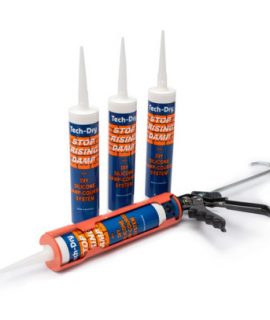
Damp Course Cream
Innovative water-based silicone cream for fixing rising damp.
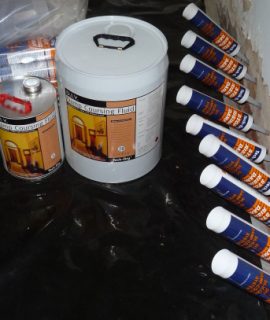
Damp Course Fluid
Traditional solvent-based silicone solution for fixing rising damp.
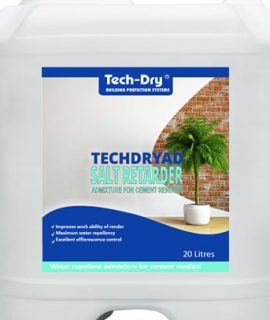
Techdryad Salt Retarder
Water andsalt resistant admixture for cement renders and mortars after...

Projects & Contractors
Need a contractor for the damp proofing of your home...
For more information
Rising Damp Treatment
One of the most destructive problems a home or building can encounter, particularly an older home or building, is rising damp. Rising dampness is moisture, essentially groundwater, which is absorbed by the walls of the building or home. It can cause a musty, pungent smell – usually one of the first tell-tale signs of rising damp – that can cause asthma attacks and allergic reactions in those susceptible to such health problems. If the absorbed moisture contains soluble salts, it can also eat away at the foundations of the home and cause expensive structural damage. Since 1982, Tech-Dry has been a pioneer in answering the hard question of how to fix rising dampness in Australian buildings. Together with Victoria University, we have researched and developed innovative silicone based damp course treatments, including the most recent advanced water-based rising damp treatment cream technology.
What is Rising Damp?
Rising damp is the natural phenomena of moisture containing ground salts rising by capillary absorption up a brick or masonry structure, e.g. masonry walls or fireplaces. To read more about rising damp, or to read more on damp proofing and how to fix rising damp, download our Guide to Rising Damp and How to Detect a Damp House documents. For fixing rising damp issues in an old house, the only solution is to install a new damp course to prevent salt migration and dampness rising up the walls. Needless to say, this is a very expensive and risky operation. Alternatively, Tech-Dry has also developed more user-friendly and cost-effective methods for treating rising damp. Our rising damp treatment products are applied into the wall to render it water resistant, so neither moisture nor salt can rise up any longer.
How to Fix Rising Damp?
Rising damp can be a serious problem in any home. If left untreated, it can cause extensive damage to the property and create an unhealthy living environment. There are a number of ways to treat rising damp, but the most effective and economical way is with a damp proofing injection cream.
Complete kits or individual cartridges of cream can be injected or hand-pumped into specially-positioned holes in the mortar course. This will provide a physical barrier to rising dampness, preventing moisture from entering the property.
Check out our detailed Guide to Fixing Rising Damp.
What Causes Rising Damp?
There are a number of factors that can contribute to rising damp. One of the most common causes is a lack of or damaged damp proof course. This can allow moisture to seep into the property, leading to rising damp. Other causes can include faulty gutters and downpipes, which can lead to water pooling around the foundation of the property.
Rising damp can also be caused by ground water seepage. This is where water from the ground collects around the foundation of the property and seeps in through cracks or gaps. It is important to address any underlying issues that are causing rising damp, as this will help to prevent further damage to the property.
If you think you might have rising damp, it is important to get it diagnosed by a professional. They will be able to conduct an inspection of the property and identify any areas that are affected. They will also be able to recommend the best course of action to take in order to treat the problem.
How to Fix Rising Damp in Brick Walls?
Rising damp is a problem that affects many homes. It is caused by moisture rising up through the brickwork and affecting the internal walls and surfaces of your home. While it is not a health hazard, it can cause structural damage to your property if left untreated.
There are a number of ways to fix rising damp, but the most effective solution is to install a new damp-proof course. This will create a barrier that will prevent moisture from rising up through the brickwork and into your home.
Contact the Damp Proofing Professionals Today
If you’d like any further information on our damp proofing products, call (03) 9699 8202 or contact us online.