
Rising Damp Solutions and FAQ | Tech-Dry® Australia
FAQ Rising Damp
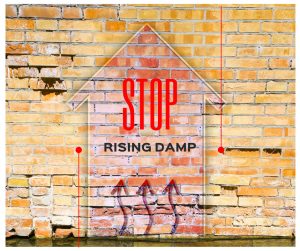
- What is rising damp? Rising damp occurs when ground moisture containing salts travels upward through a masonry wall. As the moisture rises, it deposits salts that damage plaster, paint, mortar, and timber.
- Why does rising damp occur? Ground moisture rises through any permeable masonry wall by capillary action. This natural process continues until an impermeable horizontal barrier, known as a damp‑course, stops the moisture at the base of the wall.
- Where does rising damp occur? Rising damp occurs in heritage brick and stone houses which lack an adequate damp-course. Most commonly found in Victorian and Edwardian structures and Californian bungalows. Also in buildings 50 years and over can exhibit rising damp.
- How can rising damp be recognised? Some or all of the below symptoms may be present.
- Internal walls: peeling or bubbling paint, peeling or bubbling plaster-work, water tidemark, efflorescence, paint deterioration, rotting timber skirting boards
- External walls: efflorescence, water tidemark, fretting brickwork, crumbling mortar
- Why does a damp-course break down? The two most common causes are deterioration of the damp course due to age and burying of the existing damp-course with internal concrete floors or external paths and earth levels.
- Does rising damp affect the value of my house? Yes. When you sell your home, the buyer will order a building inspection, and the moisture meter will reveal rising damp even if you’ve tried to cover it up. This discovery often causes the buyer to walk away or demand a significant price reduction.
- Can rising damp be cured? Yes. Installing a new damp‑course at the base of the masonry wall stops further moisture rise. You can install it using the Tech‑Dry DIY Damp Course Installation System or hire a specialist contractor. After installation, the treated walls must be replastered to remove salt‑contaminated material.
- How durable are the Tech-Dry Damp Course Systems? The Tech-Dry Damp Course is a tough durable polysiloxane barrier that is both alkali and UV stable. A 25 year written guarantee is issued on all new damp courses installed by Tech-Dry contractors.
- How easy is it to install the Tech-Dry DIY Damp Course System? It is quite simple and easy. A sturdy hammer drill and 10mm drill bit is all that you need. For detailed instructions please download our instruction brochure or contact us.
- What do I do after installing the Tech-Dry Damp Course System? After the damp‑course treatment, allow the walls to dry and then replaster all treated areas. For detailed guidance, download the post‑installation instructions or contact us.
- I have mould on my walls, how do I fix this problem? Mould develops because of poor ventilation. To address this, you can improve ventilation by adding more sub‑floor vents and opening doors and windows to stop steam from kitchens and bathrooms spreading into living areas. For detailed guidance and recommended remedial actions, refer to the CSIRO reports on improving sub‑floor ventilation, mould growth in houses, and condensation in houses.
Enquire Now