
Plasticure
- Home
- Products
- Earth Building Protection
- Plasticure




Description
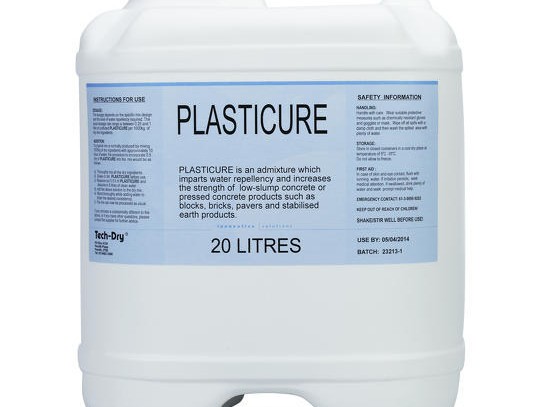
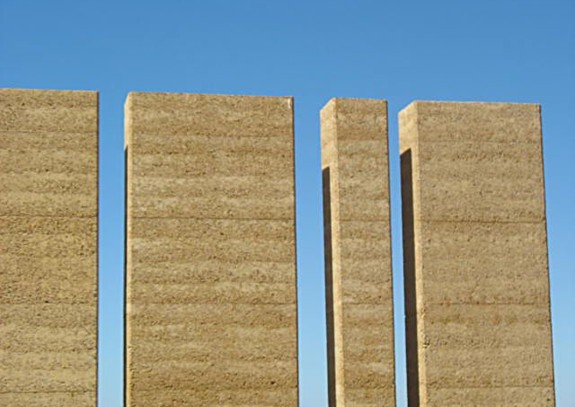
Plasticure is an innovative water-repellent admixture for stabilised earth buildings. When incorporated into stabilised earth products, it significantly reduces water permeability and virtually eliminates unsightly efflorescence.
Recommended Uses
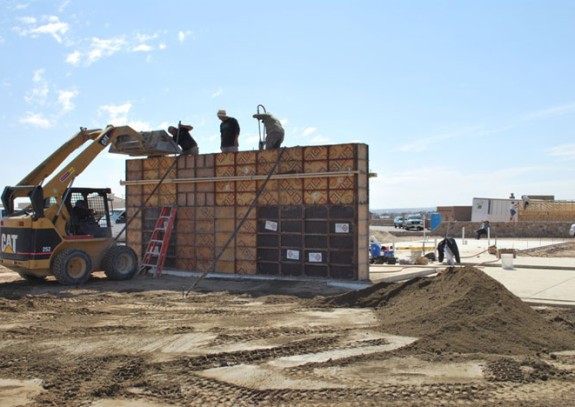
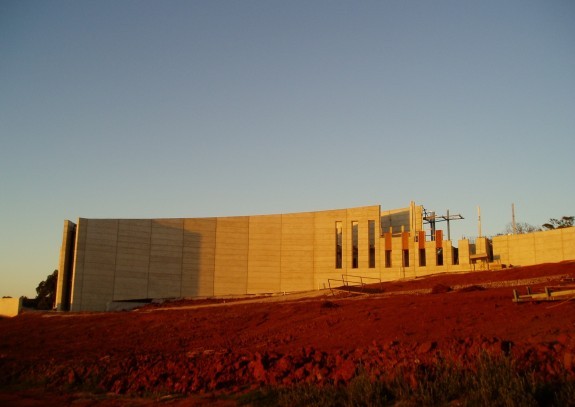
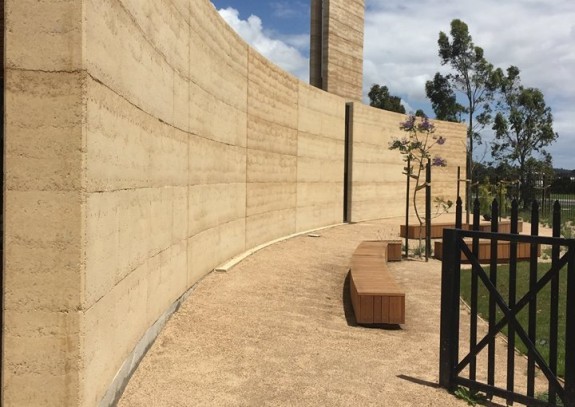
Plasticure is designed to be incorporated in the manufacture of stabilised earth products including stabilised earth building materials, rammed earth walls containing cement or pressed concrete blocks.
It can also be added into concrete pavers or other pressed concrete masonry and similar products. However, it is not recommended to be used in aerated concrete masonry or wet-mix mud brick.
Key Features
- Reduced water absorption and efflorescence by over 80%.
- Product remains permanently bonded to the substrate and cannot be washed out.
- Does not leave an oily residue on the masonry substrate.
- Easy to use in any existing processes.
- The degree of water resistance can be varied by changing the rate of addition.
- Water-based technology with no hazardous material emitted during use.
Use Instructions
As masonry materials vary, it is always recommended that a test must be carried out prior to application to check suitability of this product for the purpose.
Dosage
The rate of addition depends on the specific mix design and the level of water repellency required. The usual dosage rate is approximately 0.5 litre of Plasticure per tonne (1000kg) of dry mix ingredients, or 1 litre per cubic metre.
Addition
Plasticure is designed to be added as part of the gauging water during the mixing process.
If a typical mix has 1000kg of dry ingredients, the procedure to incorporate 0.5 litre of Plasticure into this 1000kg of dry mix would be as follows:
- Thoroughly mix all the rammed earth dry ingredients (1000kg) in a batch mixer.
- Stir or mix Plasticure before use.
- Measure out 0.5 litre of Plasticure and dilute it with 5 litres of clean water.
- Spray the above-diluted emulsion into the dry mix while blending.
- Blend the mix thoroughly while adding clean water to attain the desired consistency. The mix can now be processed as usual.
If your process is substantially different to that described above, please do not hesitate to contact the manufacturer or the sales agent for assistance.
Performance Tests
Reduction in Water Absorption
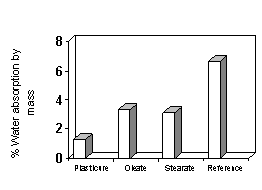
The pressed concrete substrate used for testing contains 18% cement and 82% graded sand and aggregates with Plasticure at a dosage rate of 0.5 lt/tonne. Commercial oleate and stearate water repellent admixtures were used as comparisons. The test substrates were initially covered with plastic for 24 hours in ambient conditions to obtain initial strength, followed by 28 days curing at ambient conditions before testing. Sponge capillary water absorption was conducted. The test results are shown in Figure 1. The performance of Plasticure is far superior to that of the reference and is much better than those of the substrates with oleate and stearate.
Figure 1. Reduction in Water Absorption
Controlling Efflorescence
The efflorescence test places the prepared substrates on a wet sponge immersed in a 10% sodium sulphate solution. Observers visually monitored the top surface of each substrate for signs of efflorescence over a 7‑day period. Table 1 shows that the substrate treated with Plasticure exhibited virtually no efflorescence throughout the test.
Table 1. Efflorescence Occurrence
| Substrates | After 1 day | After 3 days | After 7 days |
|
With Plasticure |
No efflorescence |
No efflorescence |
Very limited efflorescence |
|
Reference
|
100% saturated with the salt solution |
– |
– |
Typical Data
- Appearance: Milky white liquid with slight odour
- Solids content: 50% by weight
- Specific Gravity:ca. 0.945 gm/mll
- pH value: 7-8
- Solubility in water: Miscible
- VOC content: Nil
- Flash point:>61ºC
Important Note
As conditions vary, it is recommended that a pilot trial should be carried out prior to using Plasticure to determine the suitability of this product for the purpose.
Handling & Storage
Plasticure is a non‑hazardous material, but follow good industrial hygiene practices. Store the product in closed containers in a cool, dry location away from fire sources. When kept in a sealed container below 25 °C, the product maintains a 12‑month shelf life.
Packaging
Available in 20 and 200 litre plastic drums or 1,000 litre plastic bulky bins. Other size containers may be available on request.